Toronto’s multiplex rules are changing fast. Sixplexes are now allowed in parts of the city, and development charges are waived for up to 6 units.
But being allowed to build more doesn’t mean every lot works, every project makes money, or every investor should do it.
This guide covers where sixplexes are allowed, how development charges work, the new bedroom limits, and what we think investors should actually build. New to multiplexes? Start with how to build a multiplex in Toronto.

What Changed in Toronto
Toronto has slowly opened up what you can build on a residential lot. The City calls it “missing middle” housing: homes between a single house and a big apartment building. The goal is more housing without high-rises on every street.
| 2000 | Basement and secondary suites allowed |
| 2019 | Laneway suites allowed |
| 2022 | Garden suites allowed |
| 2023 | Fourplexes allowed city-wide |
| 2024 | Major Streets: townhouses and small apartments up to 6 storeys and 60 units allowed on major roads |
| 2025 | Sixplexes allowed in 9 wards, and development charges waived for up to 6 units |
| 2025 | Retail in Neighbourhoods: small shops and cafés allowed on some residential streets |
Where Sixplexes Are Allowed
Sixplexes are not allowed across all of Toronto. Everywhere else, the limit is still 4 units in the main house unless you get a zoning approval.

| Toronto and East York (8 wards) Ward 4 Parkdale–High Park, Ward 9 Davenport, Ward 10 Spadina–Fort York, Ward 11 University–Rosedale, Ward 12 Toronto–St. Paul’s, Ward 13 Toronto Centre, Ward 14 Toronto–Danforth, Ward 19 Beaches–East York |
| Plus Ward 23 Scarborough North |
Always check the ward and zoning before you run the numbers on a property. Use the City of Toronto zoning map to look up an address.
How Development Charges Work
Development charges are fees the City charges for new units. They can make or break a project, so this is the part to get right.
| 6 Units or Fewer No development charges. This includes any mix of units in the main house and a garden or laneway suite. Example: a fourplex plus a laneway suite plus a garden suite is 6 units, so all 6 are free. |
| A Sixplex Plus a Backyard Suite The garden or laneway suite can go on a City deferral agreement. Then it doesn’t count toward the 6, and the main house stays free. |
| More Than 6 Units The waiver only applies to lots with 6 units or fewer. Go over and you can owe charges on every unit, not just the extras. |
Based on City of Toronto By-law 845-2025. Check current rates and your project with the City before you start.
School board charges are separate. The Toronto Catholic District School Board charges an education development charge on new units, and the rate goes up every year. On a detached house, the first 3 units are exempt. On a semi, the first 2 are. See the current rates.
New Bedroom Limits
Toronto now limits the total number of bedrooms in a building. The cap is for the whole building, not each unit. It’s meant to stop rooming houses while still allowing family-size rentals.
| 2 Units Up to 8 bedrooms in total. |
| 3 or More Units An average of 3 bedrooms per unit. A fourplex can have up to 12 bedrooms in total. |
You can split the bedrooms however you like, as long as the total stays under the cap. For example, a triplex can have up to 9 bedrooms: 4 in one unit, 3 in another and 2 in the last.
For most investors, this won’t kill a deal. But it’s one more thing to plan for when you design the layout and unit mix.
Garden and Laneway Suites Still Matter
Even with sixplexes allowed, a backyard suite is still one of the most flexible ways to add a unit. It’s a smaller project, and usually easier to finance and sell.

You can build it before, after or at the same time as the main house. Building it first doesn’t cost you the development charge waiver on the main units.
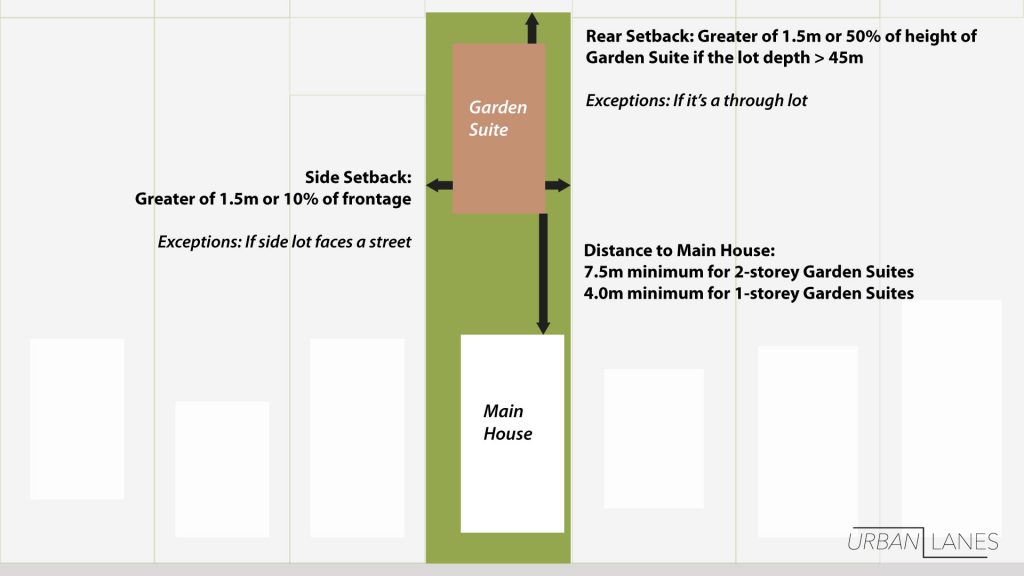
Learn more about garden suites and laneway suites.
Should You Build a Sixplex?
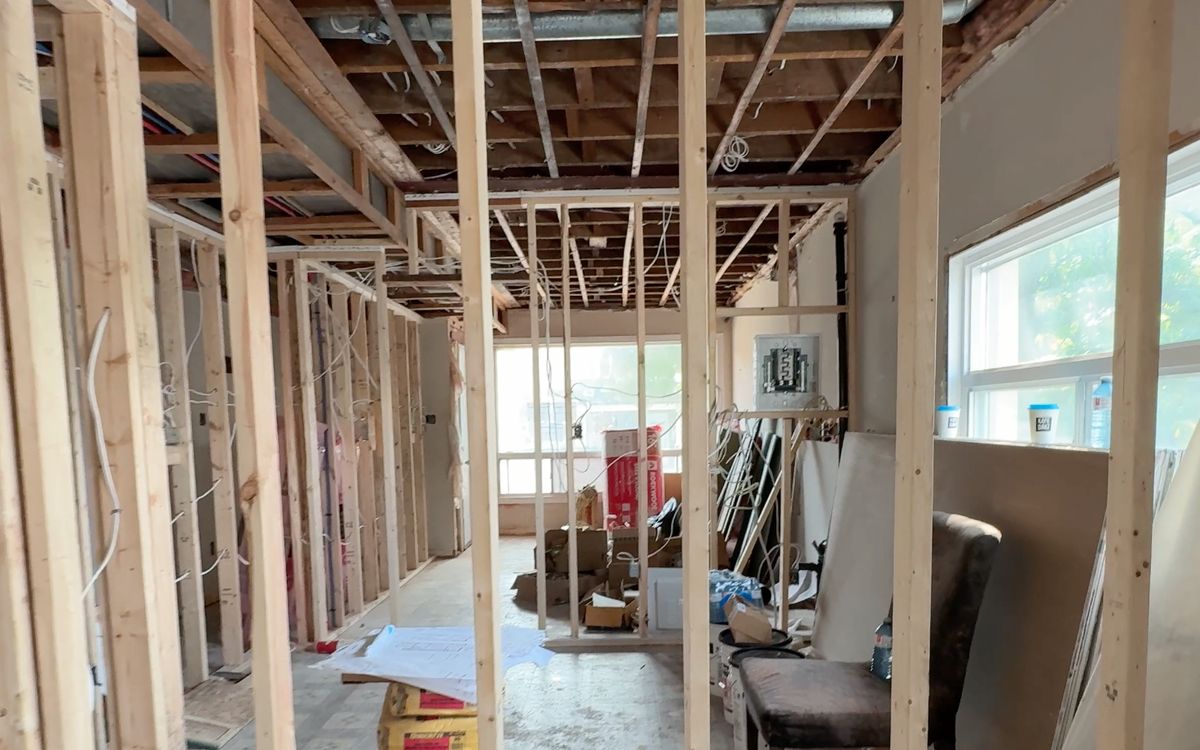
Just because you can build a sixplex doesn’t mean you should. Bigger builds come with longer timelines, harder financing and fewer buyers if you ever need to sell. As of 2026, we haven’t seen fourplexes sell consistently in Toronto, so sixplexes may be even harder to sell.
For most investors, we like smaller, phased projects, especially a 3+1 conversion: a triplex plus a garden or laneway suite.
| Easier Financing You can use regular residential mortgages. |
| No Development Charges You stay well under the 6-unit limit. |
| More Buyers House hackers, families and end users can all buy it, not just investors. |
| Faster Payback You finish sooner, refinance sooner and move on to the next deal. |
| Less Risk You can take advantage of today’s buyer’s market without stretching too far. |
Want to see what a deal like this looks like? Check out this week’s Deal of the Week.
Bottom Line: Don’t Overreach
The new rules are a big step forward. But the sweet spot is still small, smart builds that keep costs and risk down. Focus on:
- Properties you can refinance with a regular residential mortgage
- Projects you can finish quickly, and sell if you need to
- Neighbourhoods with proven rental demand and plenty of buyers
Thinking About Buying or Converting a Multiplex?
Toronto’s new rules open up more options, but the best project is usually the one that fits your budget, your lot and your exit plan. Picking the wrong size of build can lock up your money for years.
Our brokerage specializes in Toronto multiplexes. We’ll help you find deals, crunch the numbers, and guide you through renovations and management. If you want full support in Toronto multiplex investing, our team can help you:- Find high-potential properties
- Crunch the numbers so you know exactly where you stand
- Coach you through renovations to maximize returns
- Lock in great tenants
- Provide full property management so your investment runs smoothly
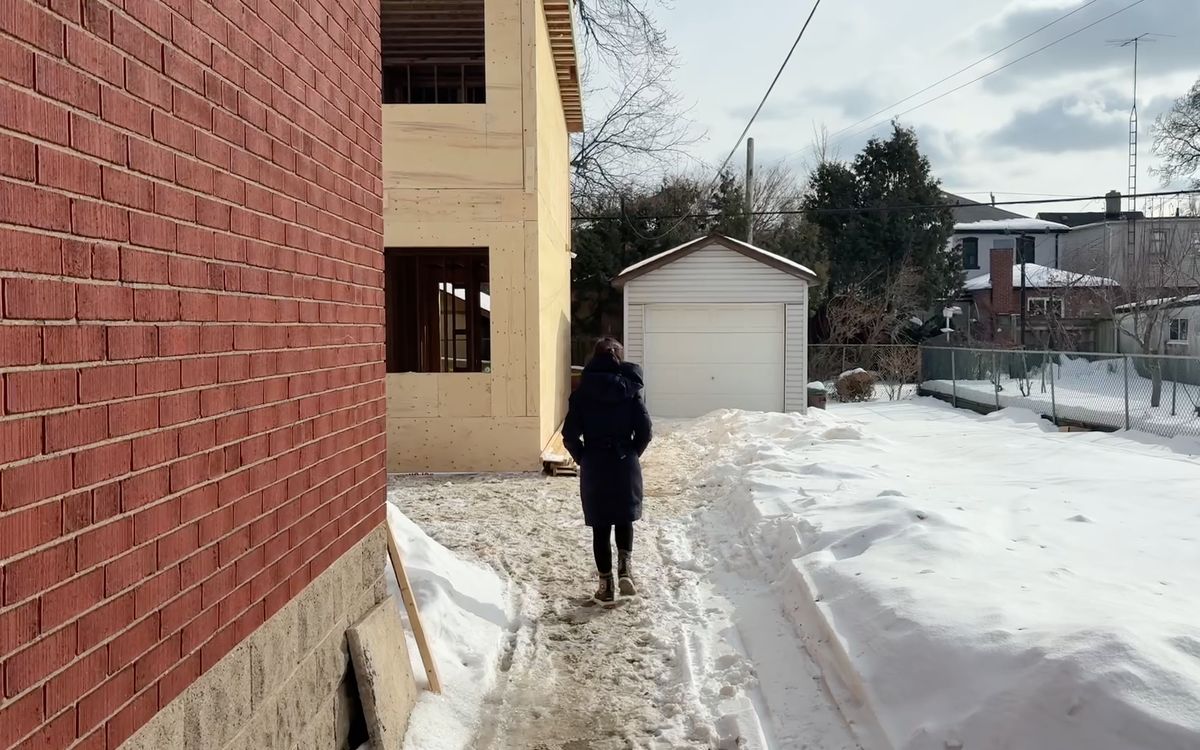
What do Toronto multiplexes really cost and earn?
We pulled the numbers from the 50+ deals we worked on in the past year: build costs, rents by unit type, and how the refinances came out. Free, and no best case.
