Turning one house into several rental units is one of the most powerful real estate strategies in Toronto. Done right, it raises your rental income, your property value and your long-term equity.
But it’s more than putting up a few walls. You need to understand zoning, building rules, construction costs, financing and rental demand.
This guide breaks down how to create a multiplex in Toronto, with real numbers, timelines and the risks investors often underestimate.
What Is a Multiplex?
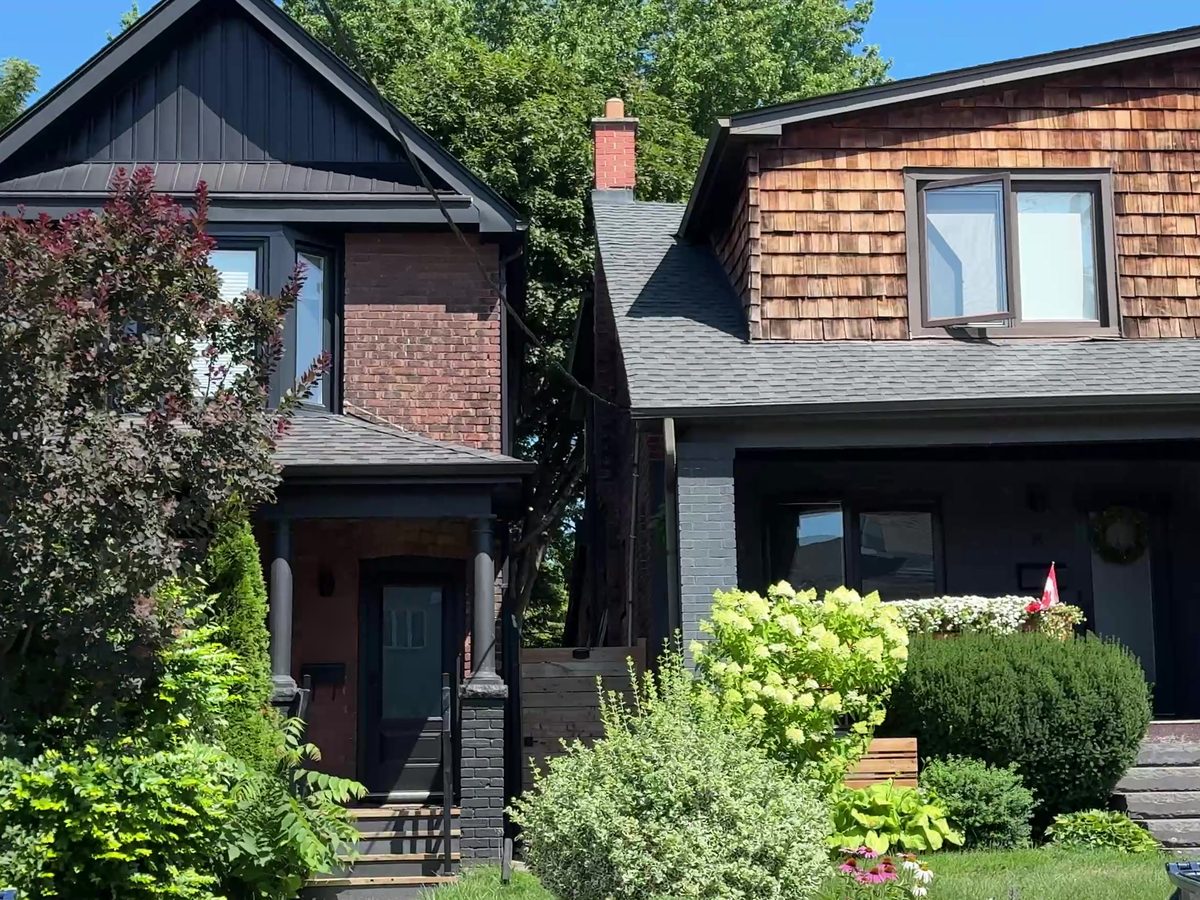
A multiplex is a house split into separate units, each with its own kitchen and bathroom. A duplex has 2 units, a triplex 3, a fourplex 4, and so on up to a sixplex with 6.
To count as a multiplex, at least one unit must be fully or partly above another. Units built side by side count as townhouses or semis instead.
You can also add a garden suite or laneway suite in the backyard if your lot qualifies.
Why Build a Multiplex in Toronto?
A multiplex works because it raises the income a property can earn. And in Toronto, income drives value.
| More Rent More units means more rent coming in every month. |
| Forced Appreciation When income goes up, the property’s value goes up with it. |
| Better Financing Properties with 5 or more units may qualify for CMHC multi-unit financing. |
| Needed Housing Multiplexes add smaller, more affordable rentals in neighbourhoods people want to live in. |
Investors value a multiplex by its income, not by comparing it to the house next door. The formula is simple:
Net operating income is your rent minus operating costs (before the mortgage). Small Toronto multiplexes often trade around a 5 to 5.5% cap rate, depending on location and condition. Learn more in our guide to cap rates.
What Do the Numbers Look Like?
Here’s an example: a detached house on a main road in Toronto, bought for $800K. It needed work, so we budgeted $150K to legally convert it into a triplex.
| Purchase price | $800,000 |
| Cash in: 20% down + $150K reno + closing costs | ~$340,000 |
| Rent: 2-bed upper, 1-bed main, 1-bed basement | $6,350/mo |
| Taxes, insurance and maintenance | ~$1,200/mo |
| Cash flow before refinancing (4.5% mortgage) | ~$1,900/mo |
| Value once finished | ~$1.1M |
| Cash back at refinance (80% of value) | ~$240,000 |
| Your money left in the deal | ~$100,000 |
| Cash flow after refinancing | ~$700/mo |
For educational purposes only. Actual figures and returns may vary.
The refinance is the key. Cash flow drops because the mortgage is bigger, but you get most of your money back to use on the next deal. You still own a $1.1M property that pays you every month, with only about $100K of your own money in it.
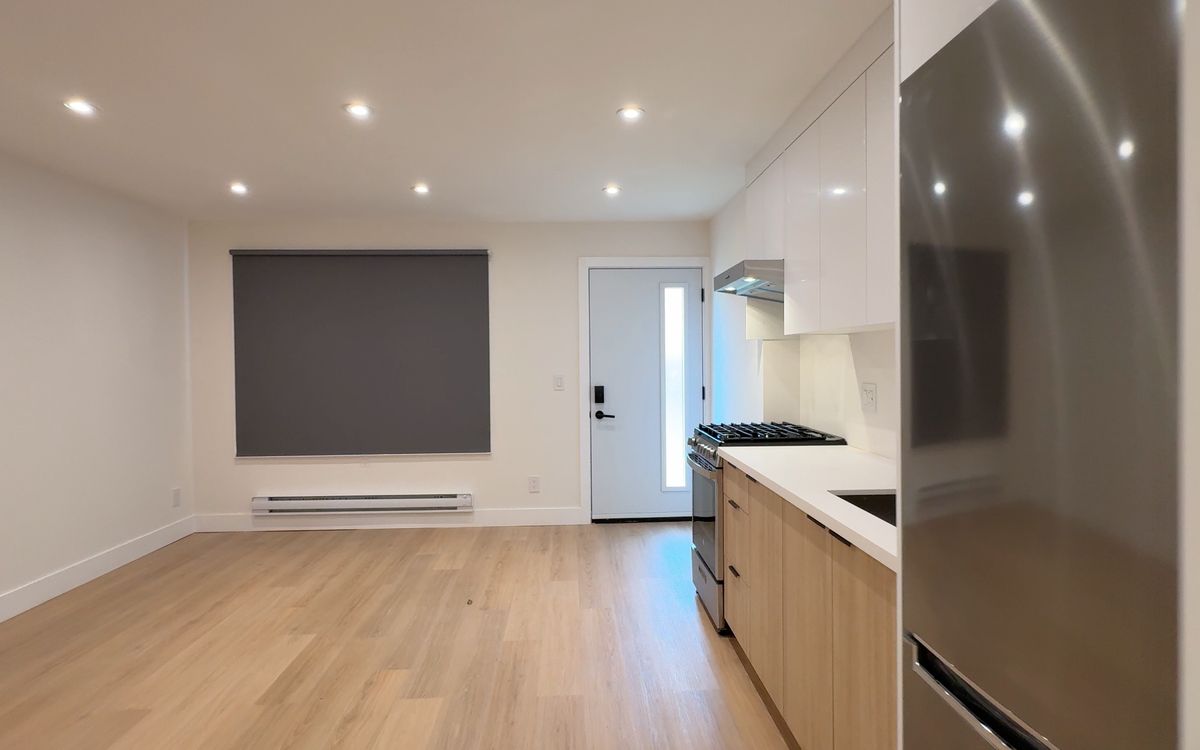
This property also has room in the backyard. Adding a garden or laneway suite later could push the rent and value up even more.
Want the real numbers from our recent deals? See what Toronto multiplexes really cost and earn.
How Many Units Can You Build?
It depends on where the property is.
| Anywhere in Toronto Up to 4 units in the main house. |
| Toronto and East York, and Ward 23 Up to 6 units in the main house. |
| Plus the Backyard A garden or laneway suite on top of that, if your lot qualifies. |

Some zones, like RM or properties on major streets, allow more. The rules keep changing, so check our latest guide to Toronto’s sixplex rules.
To find the zoning for a specific address, use the City of Toronto zoning map.
Rules to Know Before You Build
| Development Charges Waived for up to 6 units on a lot. A garden or laneway suite on a deferral agreement doesn’t count toward the 6. |
| Parking Not required. You don’t need a driveway or garage unless you want one. |
| Height At least 10 metres for multiplexes, or more if your area allows it. |
| Lot Coverage and Setbacks How much of your lot you can build on, and how far from the lot lines. |
| Floor Space Index (FSI) The size of the building compared to the size of the lot. |
For educational purposes only. Always check the rules for your address with the City of Toronto.
Conversion or New Build?
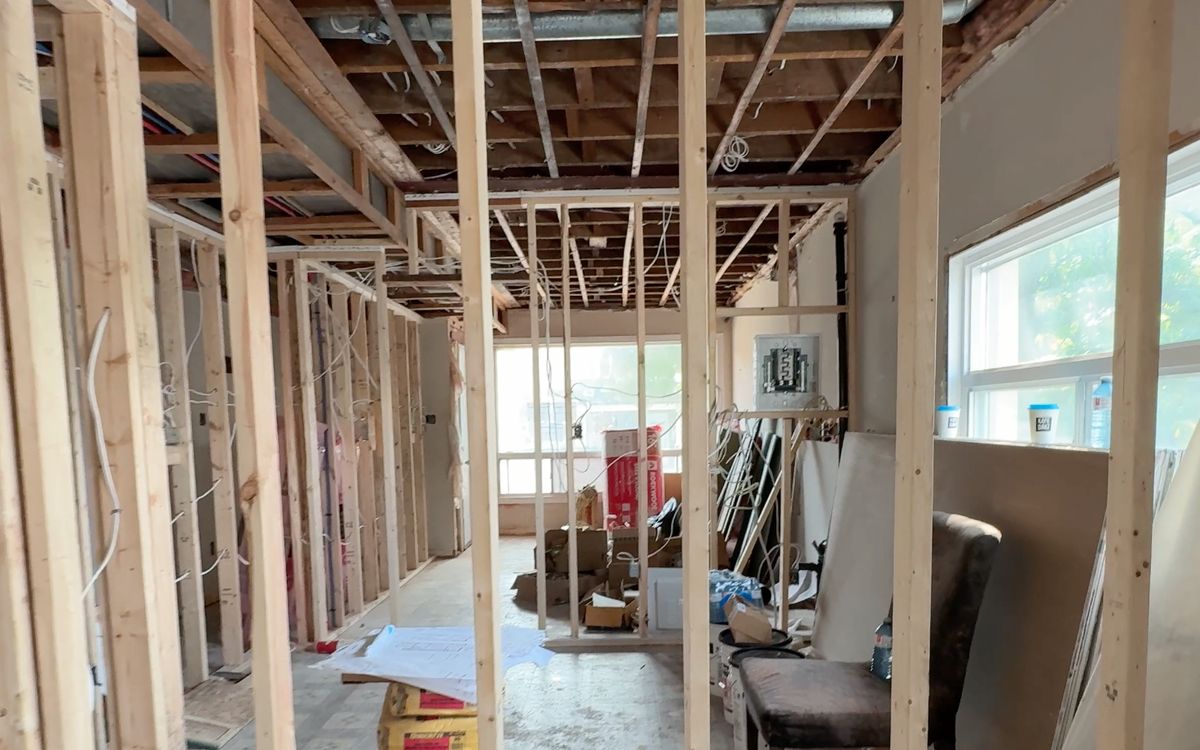
A conversion turns an existing house into units. It’s faster and cheaper, but the layout is limited by the house you start with.
A new build starts from scratch, so you can design the most efficient rental building the lot allows. It costs more and takes longer.
Either way, aim for one unit per floor and use as much of the building size as zoning allows. That’s usually where the best return is.
Costs and Timelines
Here’s what each stage usually takes and costs.
| Stage | Time | Cost |
|---|---|---|
| Design and Drawings | 2–4 months | $10K–$30K+ |
| Zoning Review | 1 month+ | $600–$2K |
| Committee of Adjustment (if needed) | 3–6 months | $5K+ |
| Building Permits and Fees | 1–2 months | $10K–$20K+ |
| Conversion | 3–12 months | ~$50K+ per unit |
| New Build | 12–24 months | $250–$400 per sq ft |
| Other Soft Costs | Varies | Varies |
For educational purposes only. Please check all information with the City of Toronto before you start.
How Do You Finance It?
Most multiplex projects follow three steps.
| 1 | Buy Purchase the property with 20% down. |
| 2 | Build Pay for the renovation with cash, a home equity line of credit (HELOC) or construction financing. |
| 3 | Refinance and Hold Refinance at the new value to pull your money back out, then keep it as a rental. (You can also sell, but holding is where long-term wealth comes from.) |
Ready to Run Your Own Numbers?
Try the Investment CalculatorHow We Can Help
A multiplex can turn one Toronto property into steady cash flow and real equity, but only when the lot, the budget and the rents line up. A small mistake in zoning or costs can wipe out the return, which is why it pays to run the numbers with people who do this every week.
Our brokerage specializes in Toronto multiplexes. We’ll help you find deals, crunch the numbers, and guide you through renovations and management. If you want full support in Toronto multiplex investing, our team can help you:- Find high-potential properties
- Crunch the numbers so you know exactly where you stand
- Coach you through renovations to maximize returns
- Lock in great tenants
- Provide full property management so your investment runs smoothly
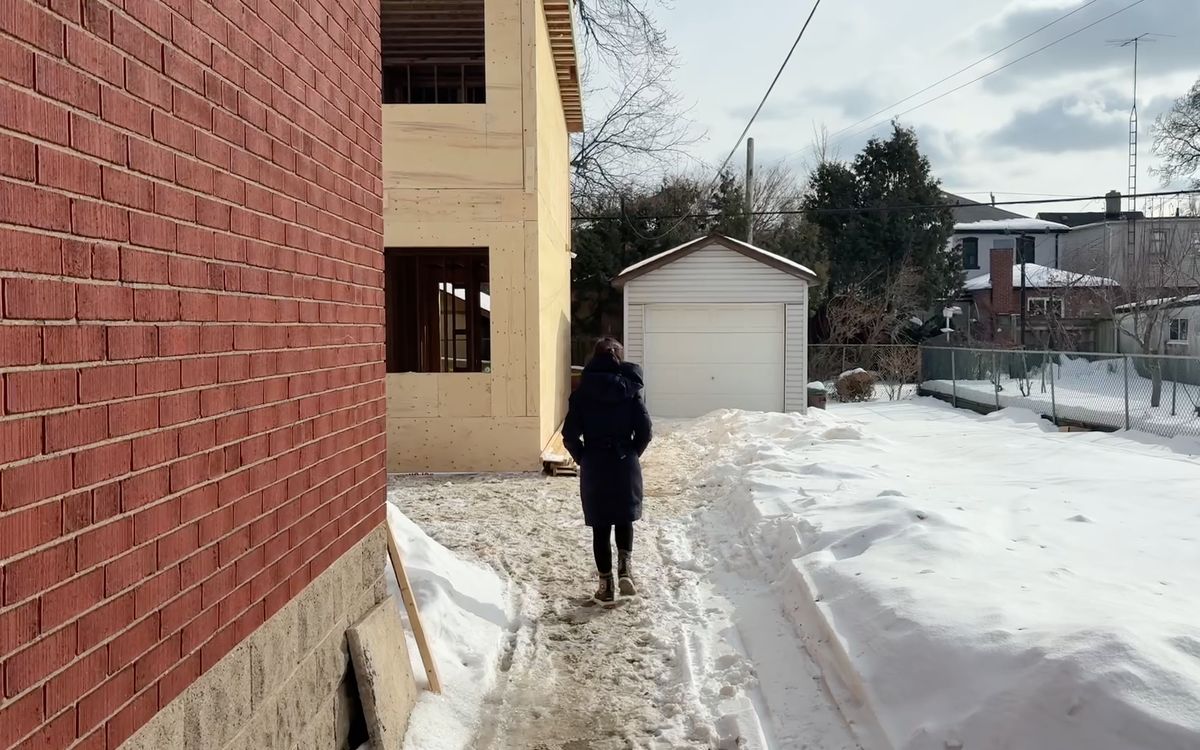
What do Toronto multiplexes really cost and earn?
We pulled the numbers from the 50+ deals we worked on in the past year: build costs, rents by unit type, and how the refinances came out. Free, and no best case.
