When our clients buy a Toronto multiplex, most of them pick one of three strategies. Buy something almost ready and rent it out. Buy an old house and convert it into 3 units. Or go one step further and add a garden suite in the backyard.
Every Toronto investor has an opinion on which one is best. So we took 3 real Toronto houses that were on the market as we wrote this, one for each strategy, and ran them on the exact same terms.
Below you’ll see what each one costs in cash, what it pays you every month, and which one makes your money work the hardest. You’ll also see the catch with each one, because none of them is free money.
How We Ran the Numbers
To keep it fair, all 3 houses use the same financing: a conventional mortgage with 20% down, a 4.50% rate and a 30-year amortization. When a house is refinanced, the bank lends 80% of the new value.
For each one, we add up a year of cash flow plus the mortgage you pay down. Then we divide it by the cash you still have in the deal. That’s your year 1 return on the money you put in.
This is before any price growth, so we’re not counting on the Toronto market going up. We also used today’s completion values and kept them on the low side. They need to be, because the Toronto market is soft and hard to predict right now.
Strategy 1: A Light Renovation
This is a semi in Corso Italia priced at about $800,000. It needs about $50,000 of cosmetic work, mostly paint, floors and a few fixes. Once that’s done, it’s a legal 3-unit house.
We know it would rent out quickly, because we lease dozens of units in these Toronto neighbourhoods every month. So we see what tenants actually pay here. To be clear, this is a very good deal, not a typical one. Most houses at this price need a lot more work or rent for less.
| Purchase price | $800,000 |
| Down payment (20%) | $160,000 |
| Closing costs | $26,450 |
| Cosmetic renovation | $50,000 |
| Cash in the deal | $236,450 |
| Rent: Unit 1 (3 bed) + Unit 2 (2 bed) + Unit 3 (basement 1 bed) | $3,000 + $2,500 + $1,800 |
| Total rent | $7,300/mo |
| Operating costs | -$1,158/mo |
| Mortgage ($640,000) | -$3,227/mo |
| Cash flow | $2,915/mo |
| Year 1 return (about $45,000 on $236,450) | 19% |
For educational purposes only. Actual figures and returns may vary.
The catch is that all of that cash stays stuck in the deal. The work only adds about $25,000 of value, so there’s not much to pull back out with a refinance. Your money works, but it can’t move on to your next house.
If you want to see what other Toronto houses cost and rent for, see what Toronto multiplexes really cost and earn.
Strategy 2: A Triplex Conversion
This is a row house in Kensington priced at about $1 million. It would take about $100,000 to convert it into 3 legal units. When it’s done, the 3 units rent for about $8,900 a month in total.
It’s in a heritage area, and it does have a laneway. So a laneway suite might be possible, but it needs extra approvals and isn’t guaranteed. We’re not counting on it in the numbers.
The difference here is the refinance. Once the work is done, the house is worth about $1.2 million. Banks lend on what the house is worth now, not what you paid. So you refinance at 80% of the new value, and the work you did turns into cash you can take back.
| Purchase price | $1,000,000 |
| Down payment (20%) + closing costs | $234,450 |
| Conversion to 3 units | $100,000 |
| Total cash in | $334,450 |
| Cash back at refinance (80% of $1.2M = $960,000 mortgage) | -$160,000 |
| Cash left in | $174,450 |
| Rent: Unit 1 (2 bed) + Unit 2 (3 bed) + Unit 3 (basement 1 bed) + parking | $2,900 + $4,000 + $1,800 + $200 |
| Total rent | $8,900/mo |
| Operating costs | -$1,404/mo |
| Mortgage after refinance ($960,000) | -$4,840/mo |
| Cash flow after refinance | $2,655/mo |
| Year 1 return (about $47,000 on $174,450) | 27% |
For educational purposes only. Actual figures and returns may vary.
The bigger mortgage means cash flow drops a little compared with the light renovation. But you get almost half your cash back, so your return on what’s left is much higher.
Strategy 3: A Triplex Conversion Plus a Garden Suite
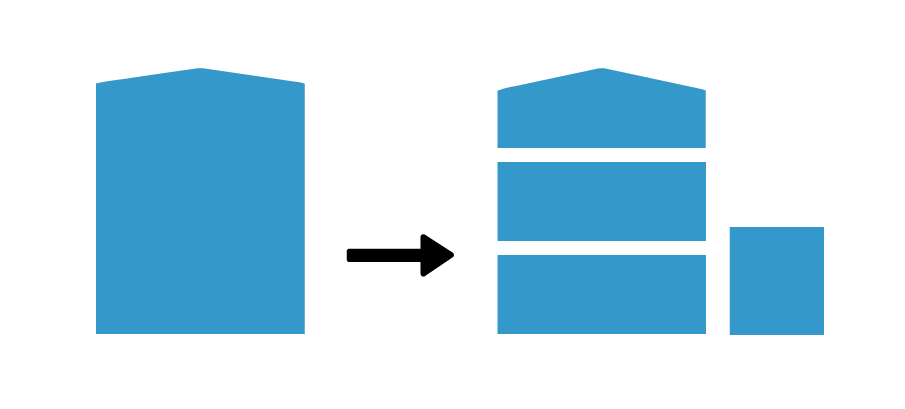
This is a detached house near the Junction, also priced at about $1 million. Step 1 is the same as strategy 2. It takes about $150,000 to convert it into 3 units, and then it’s worth about $1.3 million. You refinance and get about $240,000 back.
Step 2, you take about $150,000 and turn the old garage into a 1-bedroom garden suite. It’s smaller than a full garden suite build, but it’s cheaper and faster, because you keep the outside of the structure. Now the house is worth almost $1.5 million, so you refinance a second time and pull out about another $145,000.
| Down payment (20%) + closing costs | $234,450 |
| Conversion to 3 units | $150,000 |
| Cash back, refinance 1 (80% of $1.3M) | -$240,000 |
| Garage to garden suite | $150,000 |
| Cash back, refinance 2 (80% of $1.48M) | -$144,000 |
| Cash left in | $150,450 |
| Rent: Units 1 and 2 (2 bed) + Unit 3 (1 bed) + garden suite (1 bed) | $2,900 + $2,900 + $2,300 + $2,300 |
| Total rent | $10,400/mo |
| Operating costs | -$1,434/mo |
| Mortgage after both refinances ($1.184M) | -$5,970/mo |
| Cash flow after both refinances | $2,996/mo |
| Year 1 return (about $55,000 on $150,450) | 37% |
For educational purposes only. Actual figures and returns may vary.
With 4 units, the rent is the highest of the three. But after two refinances, the mortgage is also the biggest. That’s why cash flow only ends up a little higher than the other two.
Which Strategy Makes the Most, and Which Fits You
Put the 3 side by side and the cash flow is almost the same, between about $2,650 and $3,000 a month. But the returns go from 19% to 27% to 37%.
Year 1 return on cash left in, before any price growth. For educational purposes only.
The difference isn’t how much rent you collect. It’s how much of your own cash you get back out. Every refinance adds to your mortgage, and the bigger payment eats most of the extra rent. So the work shows up in the cash you get back, not in your monthly cash flow.
The Catch: Months With No Rent
So is the garden suite always the winner? Not quite. Every strategy has months where you pay the mortgage with no rent coming in, and the bigger the project, the longer it lasts. These timelines include about 1 month to lease the units.
| Strategy | Work | Months with no rent |
|---|---|---|
| Light renovation | About 2 weeks | About 1.5 |
| Triplex conversion | 3 to 6 months | 4 to 7 |
| Conversion + garden suite | 9 to 12 months | 10 to 13 |
Typical timelines. Delays can add more.
What those months cost you depends on how you pay for the work, whether it’s cash, a line of credit or construction financing. Strategy 3 also needs the most cash up front, about $385,000 before the first refinance.
And your return depends on the appraisal. Our numbers use today’s values. If the market dips while you’re renovating, the bank could value the house lower and less cash comes back, even when your contractor does everything right.
Pick the Strategy First, Then the House
| Light renovation Less cash, a busy job and no time to manage a renovation. It’s simple, and a great way to learn to be a landlord. Just know your cash stays in the deal. |
| Triplex conversion About $350,000 and you want to keep buying. You get almost half your cash back for your next Toronto property. |
| Conversion + garden suite The most cash, some patience and some experience, plus a lot that can actually fit a garden suite. It makes your money work the hardest. |
Start with the strategy that fits your cash, your time and your goals. Then look for a house that fits it. The mistake we see a lot is Toronto investors falling for a house and assuming it can take any strategy. Not every house can.
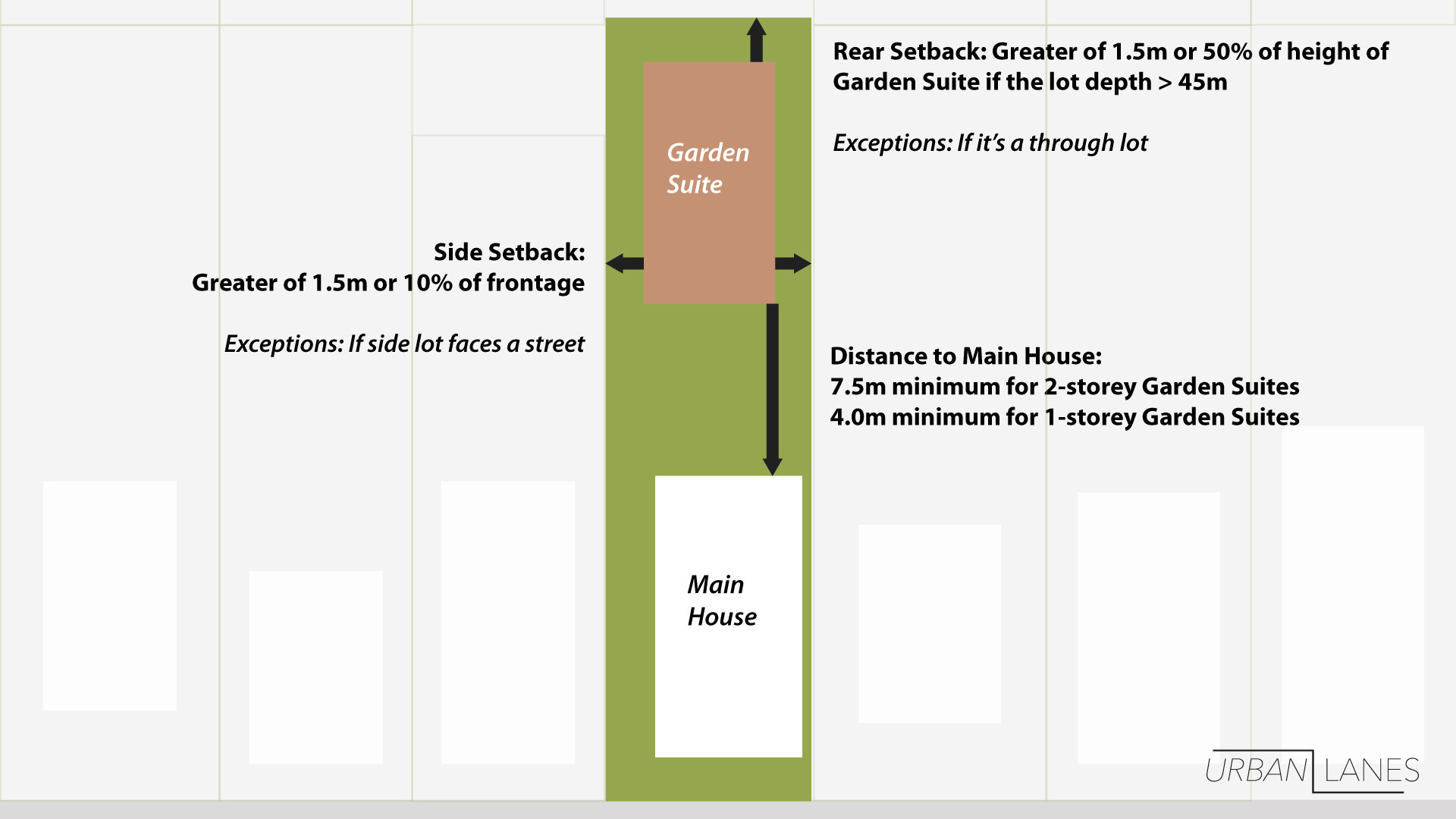
A heritage row house might only work as a conversion. A detached house needs the right lot, with enough room for the setbacks, before you plan a garden suite. So once you’ve picked your strategy, check that the house can actually support it before you buy. And remember, the deal itself matters more than the strategy. A great light renovation can beat a bad conversion every time.
Ready to Run Your Own Numbers?
Find the Strategy That Fits Your Budget
The best strategy isn’t the one with the highest return on paper. It’s the one you can actually afford to finish, with a buffer left over for surprises. A lot of our clients start with something simple, then take on a bigger project once they’ve done one.
Getting there takes the right house, honest numbers and a team that knows what tenants pay and what a finished unit is worth. That’s what keeps a 37% plan from turning into a stalled project.
Our brokerage specializes in Toronto multiplexes. We’ll help you find deals, crunch the numbers, and guide you through renovations and management. If you want full support in Toronto multiplex investing, our team can help you:
- Find high-potential properties
- Crunch the numbers so you know exactly where you stand
- Coach you through renovations to maximize returns
- Lock in great tenants
- Provide full property management so your investment runs smoothly
Book a strategy session with us here and let’s map out the smartest move for your portfolio.
What do Toronto multiplexes really cost and earn?
We pulled the numbers from the 50+ deals we worked on in the past year: build costs, rents by unit type, and how the refinances came out. Free, and no best case.
