This is for educational purposes only; it does not guarantee future performance or serve as financial or tax advice.
Toronto’s quietly changing again — but this time, it’s not about cramming more housing units onto every lot. It’s about bringing life and small business back to the block.
The city’s Neighbourhood Retail and Services Study, part of the broader Expanding Housing Options in Neighbourhoods (EHON) initiative, has passed the Planning and Housing Committee and is now heading to City Council for a final decision.
While the committee supported changes along Major Streets, the Neighbourhood Interiors component did not move forward — meaning those interior corner-lot retail ideas are off the table for now.
What’s Changing Under the Neighbourhood Retail and Services Study

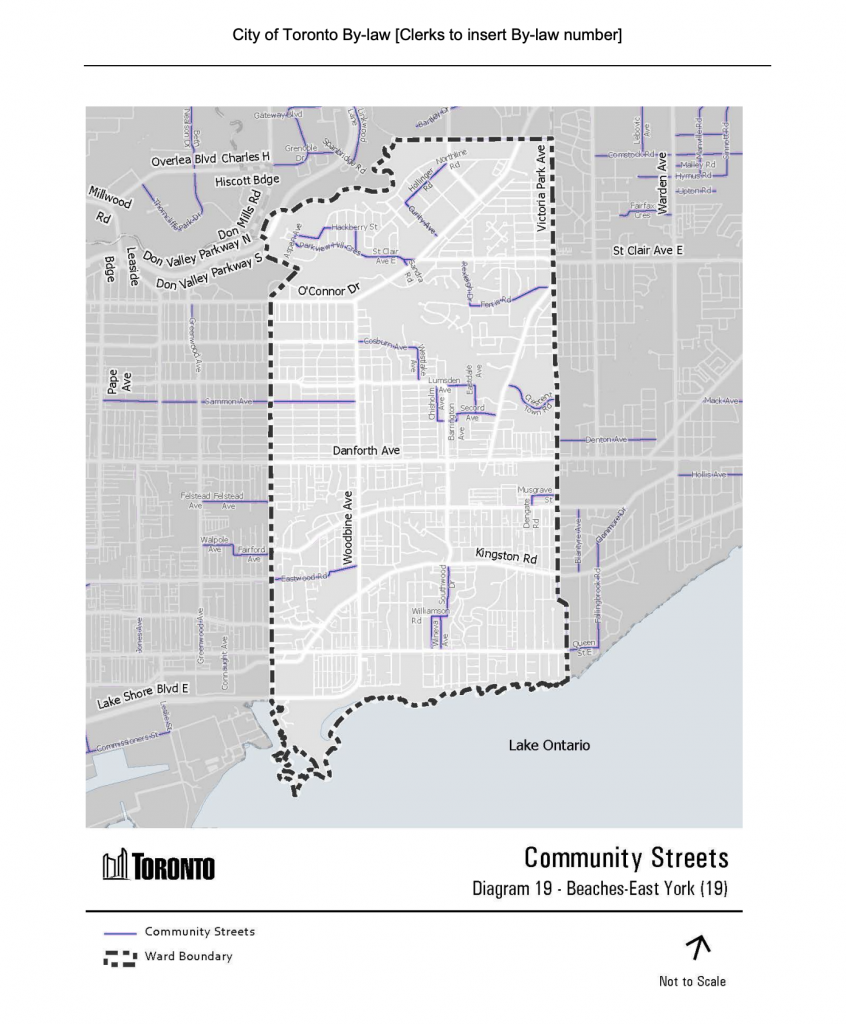
The latest EHON phase is focused on unlocking small-scale commercial uses in areas that have been strictly residential for decades — but only along Major Streets.
Major Streets – More Flexibility
Homes and multiplexes that abut a Major Street can now include small-scale commercial uses like cafés, salons, clinics, or professional offices at ground level.
Key Details:
- Up to 150 m² of commercial space
- Must be at grade with an entrance facing the street
- Indoor waste only, patios allowed under existing major-street rules
- Council may limit permission to new construction only
Neighbourhood Interiors – Not Approved
City Council deferred this neighbourhoods portion for further review. Proposals to allow limited retail uses inside neighbourhood interiors — such as cafés or corner shops on residential streets — did not advance. That means for now, interior residential zones remain residential only.
Home Businesses – Easier Live-Work
The City is expanding what’s possible for home-based businesses:
- Up to two employees plus the owner
- May operate from a garage or backyard studio
- Use up to 100 m² or 25% of total home area
- No extra parking required if converting indoor space
Why This Matters for Real Estate Investors
| Category | What’s Changing | Key Details |
|---|---|---|
| Major Streets – More Flexibility | Residential lots that abut a Major Street can include small-scale retail, service, or office uses. |
|
| Home Businesses – Easier Live-Work | Expanded permissions for legitimate home-based businesses. |
|
For decades, zoning in Toronto drew a hard line between residential and commercial. This update softens that boundary. It doesn’t turn neighbourhoods into retail strips — it just makes it possible to add low-impact uses that make sense in walkable communities.
For investors, that means new optionality.
You can now:
- Blend residential and commercial income for stronger cash flow.
- Add value to underused properties along major streets.
- Attract a better tenant mix — professionals, small business owners, or long-term renters who value convenience.
- Future-proof your portfolio with properties that can adapt to mixed-use demand.
In short, this zoning update makes it easier to balance risk and reward through smarter property design.
What’s Next
City staff will monitor the rollout closely — checking results after 100 building permits or business licences (instead of 200) or within two years of the new rules taking effect. They’ll also review:
- The economic benefits of cutting red tape for small retail and services;
- Safety concerns and the need to limit cannabis and liquor retail in interior neighbourhoods;
- And whether major-street permissions should apply only to new construction.
This shows City Planning is serious about testing these changes — but the overall direction is clear: Toronto’s moving toward more flexible, mixed-use neighbourhoods.
The Investor Takeaway
This is bigger than it looks. The Neighbourhood Retail and Services Study isn’t just about adding cafés or corner stores. It’s a signal that Toronto’s opening the door to hybrid real estate models — where residential, commercial, and live-work uses can coexist on the same property.
For investors, it means more options, more creativity, and more ways to increase returns without relying purely on appreciation.
Zoning in Toronto is evolving — the best investors will evolve with it.
We’ve done this in our own portfolio and guided hundreds of clients through the same process. If you’re serious about investing in Toronto, our team can help you identify the right properties, crunch the numbers, plan renovations, and manage the entire process so you can focus on building wealth.
Our brokerage specializes in Toronto multiplexes. We’ll help you find deals, crunch the numbers, and guide you through renovations and management. If you want full support in Toronto multiplex investing, our team can help you:
- Find high-potential properties
- Crunch the numbers so you know exactly where you stand
- Coach you through renovations to maximize returns
- Lock in great tenants
- Provide full property management so your investment runs smoothly
Want to see what’s possible for you? Book a strategy session with us here.

What Toronto Real Estate Investment Is Right For You?
Check out our complete Toronto real estate investment guide for all the details and real-life examples. If you’re ready to dive in, just book a call with us!
