Q2 2026 just wrapped up. Most people looking at Toronto real estate from the outside would tell you the market is slow. But our agents Phil and Spiro closed double the volume they did in Q1. The deals are there. They just look different than they used to.
In this post we’re breaking down exactly what they bought, who is buying right now, how the negotiation process has changed, and what they think happens next. If you’re sitting on the sidelines waiting for a signal, this might be it.
The Deals That Actually Closed in Q2
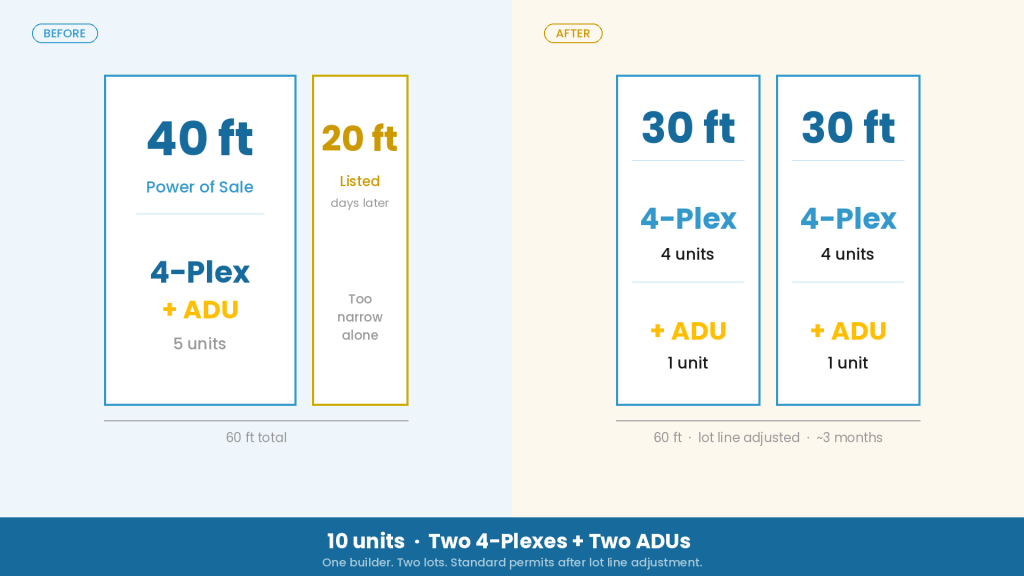
Phil’s best deal of the quarter started with a 40-foot power of sale lot. His client, a builder, was already planning a four-plex on that lot when the neighbouring 20-foot lot came up for sale a few days later. By itself, the 20-foot lot was too narrow to build on. Together, they were something completely different.
Phil structured the deal carefully. He locked up the 40-foot lot first and made sure it was firm before moving on the neighbour. Once both were secured, the client adjusted the lot line to create two 30-foot lots, each 120 feet deep. The plan is now two four-plexes plus two ADUs, for a total of 10 units. Total cost for both lots: $1,400,000. The lot line adjustment is expected to take about three months, after which standard build permits apply. It’s a clean example of what creative deal structure looks like in this market.
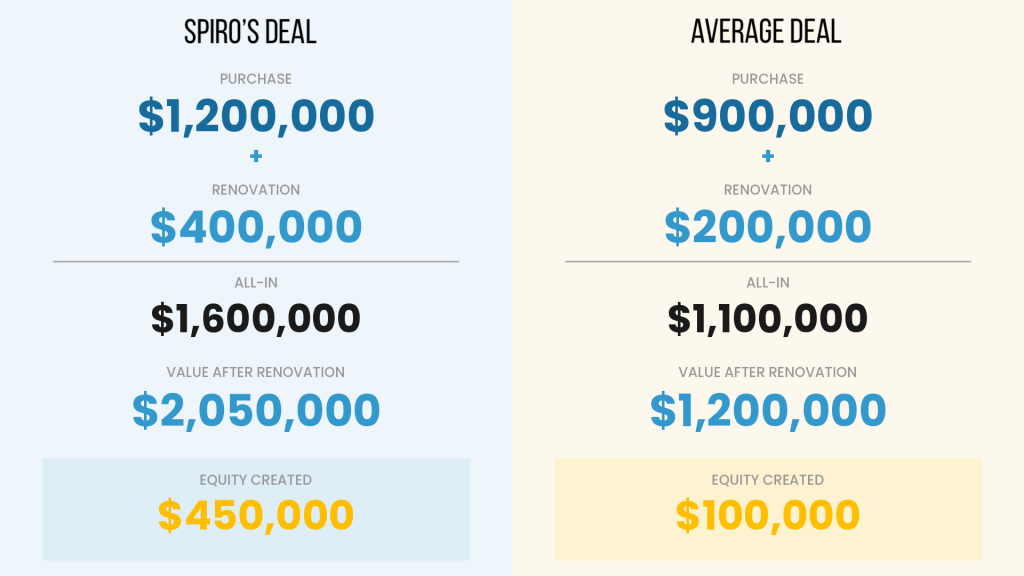
Spiro’s standout deal was a property near Yonge and Eglinton, purchased for $1.2 million. Direct comparables in that neighbourhood are over $2 million. With an estimated $400,000 in renovation, the after-renovation value puts the equity created at close to $450,000. Spiro called it the largest delta he’s ever seen on a residential property in this price range. His second deal was in Little Portugal, purchased for $1 million in a neighbourhood where properties historically sell for $1.3 to $1.4 million. The pattern is the same in both cases: prime location, motivated seller, meaningful discount, real upside.
How Negotiation Works Now
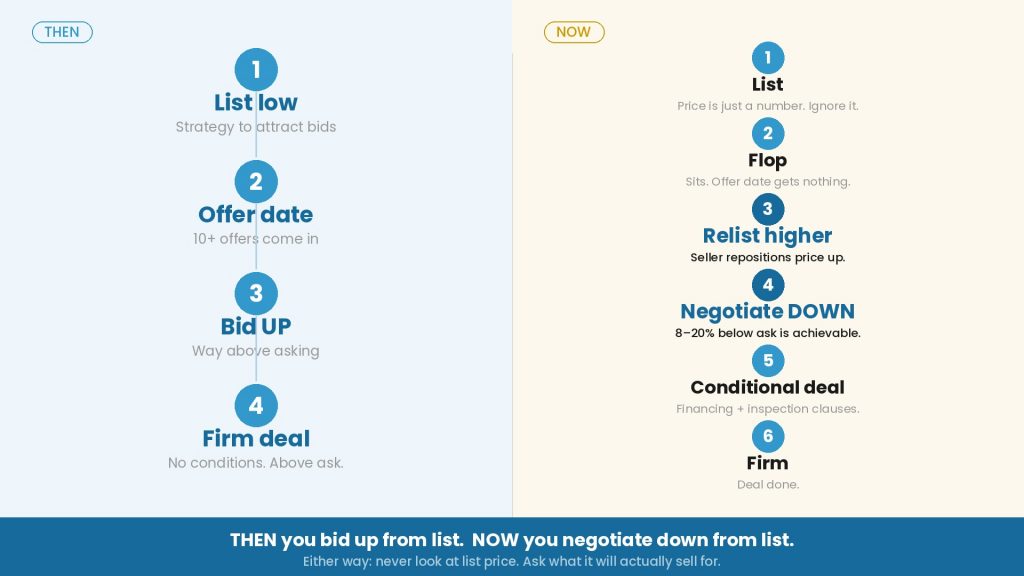
A few years ago, the process was simple. A seller would list low, set an offer date, collect multiple bids, and pick the highest one. Buyers would upbid well above asking and go in firm with no conditions. Deals closed fast. Agent skill barely mattered because price was the only variable.
That process is mostly gone now. The rare exception is a turnkey end-user property in a strong location, which can still see some competition. Everything else is negotiated. Phil described every deal he closed this year as “far more back and forth.” Financing conditions, inspection conditions, due diligence clauses, extended closings, and creative structures like escape clauses are all back on the table. Sellers who would have laughed at a conditional offer two years ago are now working with buyers to make deals happen.
What that means practically is that the skill of your agent now has a direct impact on your outcome. Spiro closed one deal at nearly 20% below the asking price. Another closed at about 8% below. That is on top of prices already sitting roughly 25% off their peak. The agents who are closing deals right now are doing it through relationships, trust, and creativity, not just price. If a listing agent knows you follow through, you get earlier access to deals and more flexibility when structuring offers.
Who Is Buying Right Now
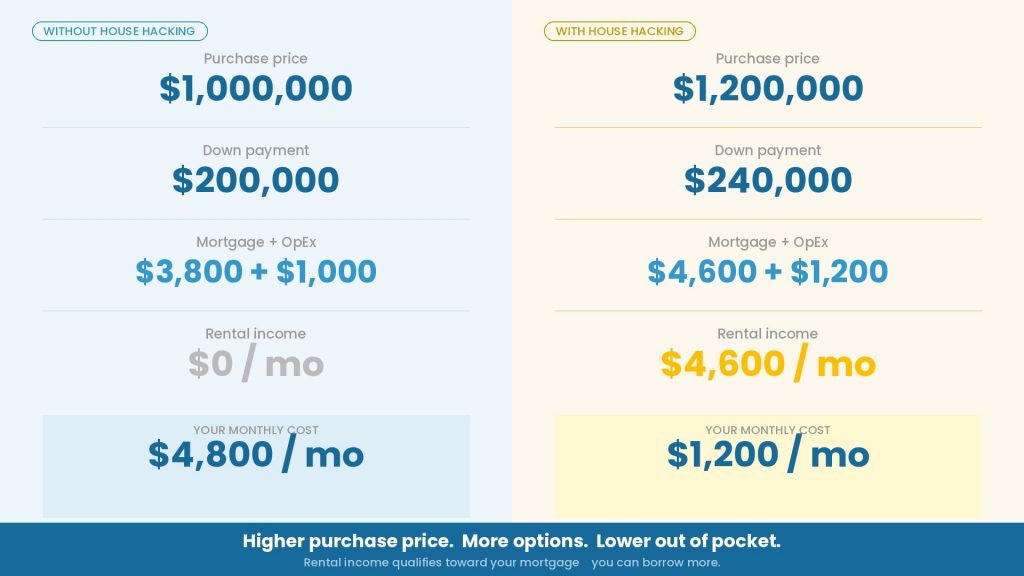
Spiro’s Q2 clients were mostly house hackers. A house hacker is someone who buys a multiplex, lives in one unit, and rents out the others to offset their mortgage. The math can get very favourable. With two units rented, a buyer in a strong location can reduce their monthly cost to under $1,200 per month or even break even entirely. That is a significant reduction in living expenses compared to owning a single-family home outright.
There is also a financing advantage. Rental income from the units you don’t occupy counts toward your mortgage qualification. That means you can qualify for a larger mortgage than you could on your employment income alone, which opens up properties that might otherwise be out of reach. For a first-time buyer especially, house hacking is often the most financially sound first move you can make in Toronto real estate. You reduce your monthly costs, build equity, and expand your buying power all at once.
Phil’s deals were with builders. That is the other active buyer segment right now. Experienced developers are moving on lots with strong build potential, particularly where Toronto’s multiplex rules allow for four to six units plus an ADU. Passive investors who want a hands-off turnkey property are less active right now because the best opportunities in this market require some tolerance for work, tenanted properties, or renovation complexity. The buyers closing deals are the ones willing to get involved.
The Hidden Value Most Investors Are Missing
Phil’s answer to where the hidden value is right now was simple: prime locations at prices that haven’t been available in a decade. Neighbourhoods like Trinity Bellwoods, Roncesvalles, Little Italy, the Annex, and Yonge and Eglinton were largely out of reach for multiplex investors for years. The numbers didn’t work. You were paying a premium for the location and not getting the return to match. That has changed. Prices in these areas have come down enough that the delta between purchase price and after-renovation value is now larger than it has been in years.
Spiro’s answer was about information. He calls it working with an information broker rather than an order taker. The list price on a property is almost irrelevant in today’s market. What matters is why the seller is selling, what they actually need to move on, what date works for them, and what flexibility exists on price and terms. That information is only available if your agent has a real relationship with the listing agent and knows how to ask the right questions. Without it, you’re making decisions based on a number that doesn’t reflect reality.
The practical tip from both agents: stop looking at list prices. Send your agent the listings and let them tell you what the property will actually sell for. One deal Spiro closed was listed at a price that looked out of reach. It closed nearly 20% below that number. A buyer who only looked at the list price would never have made an offer. Understanding the cap rate and true value of a property is what separates good deals from ones you walk away from unnecessarily.
What to Expect for the Rest of 2026
Neither Phil nor Spiro is calling a bottom. What they are both saying is that the market has stabilised. After years of sharp swings in both directions, prices have been relatively flat. There are still pockets that favour buyers more than others, and it is becoming more asset-specific and location-specific rather than a single broad trend. A turnkey triplex in Little Italy is a different market than a value-add fourplex in Scarborough.
Summer is expected to be slow, which is normal. Historically, August is nearly dead in Toronto real estate. Listings that have been sitting may stay on the market through the summer rather than being pulled, which means inventory stays elevated. July is still active but tapering. If you are looking to buy, summer is actually a reasonable time to move because competition is low and sellers are motivated. If you are thinking about listing, late September into October is likely a better window.
Looking at the full year, both agents expect more of the same: good deals available for buyers who are ready to act, slow movement for properties that are overpriced or fully tenanted with below-market rents, and a market that rewards preparation and relationships over speed and luck. If you want to use the total return calculator to run the numbers on a specific property, that is a good place to start before booking a call.
Ready to Find Your Next Deal?
The deals Phil and Spiro closed in Q2 did not happen by accident. They came from knowing where to look, having agent relationships that opened doors early, and structuring offers creatively to get both sides to yes. That is what this market rewards right now.
If you have been watching from the sidelines and wondering whether now is the right time, the answer depends on the specific property, your capital, and your goals. That is exactly what our team helps you figure out.
Our brokerage specializes in Toronto multiplexes. We’ll help you find deals, crunch the numbers, and guide you through renovations and management. If you want full support in Toronto multiplex investing, our team can help you:- Find high-potential properties
- Crunch the numbers so you know exactly where you stand
- Coach you through renovations to maximize returns
- Lock in great tenants
- Provide full property management so your investment runs smoothly

What Toronto Real Estate Investment Is Right For You?
Check out our complete Toronto real estate investment guide for all the details and real-life examples. If you’re ready to dive in, just book a call with us!
This is for educational purposes only; it does not guarantee future performance or serve as financial or tax advice.
