There is a way to put $350,000 into a build project in Toronto and come out the other side with a property valued at $700,000. It is not a flip. It is not a speculative bet on the market. It is a laneway suite build in the right neighbourhood, done the right way, with a clear-eyed view of where the real returns actually come from.
Location is the single biggest variable in whether a laneway suite build delivers strong returns or disappoints. Two identical builds, same construction cost, same square footage, same timeline. One is in a starter pocket. One is in a premium neighbourhood. The outcomes are not close. This post breaks down exactly why, using a live construction site in Toronto’s Trinity Bellwoods area as a real-world example.
Does Your Lot Qualify for a Laneway Suite?
Before you get into construction costs and rent projections, you need to confirm your lot can actually support a build. Not every Toronto property qualifies, and the rules differ depending on whether you are building a laneway suite or a garden suite.
The two main requirements are backyard size and fire access. Fire access is non-negotiable. For a laneway suite, the laneway itself provides a second access route for fire crews, which satisfies that requirement. For a garden suite on a lot without a laneway, you need adequate space between neighbouring structures and proximity to fire hydrants.
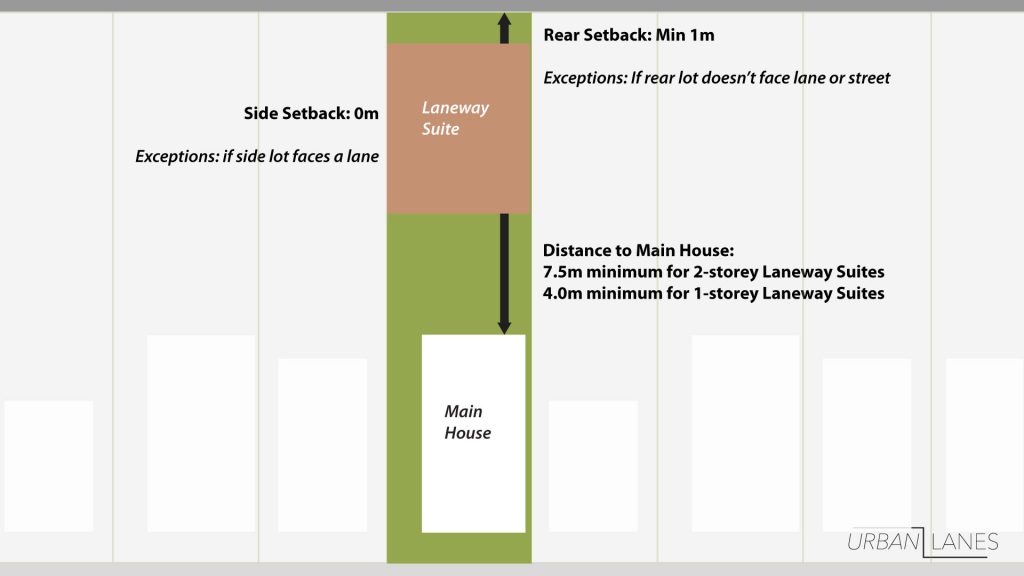
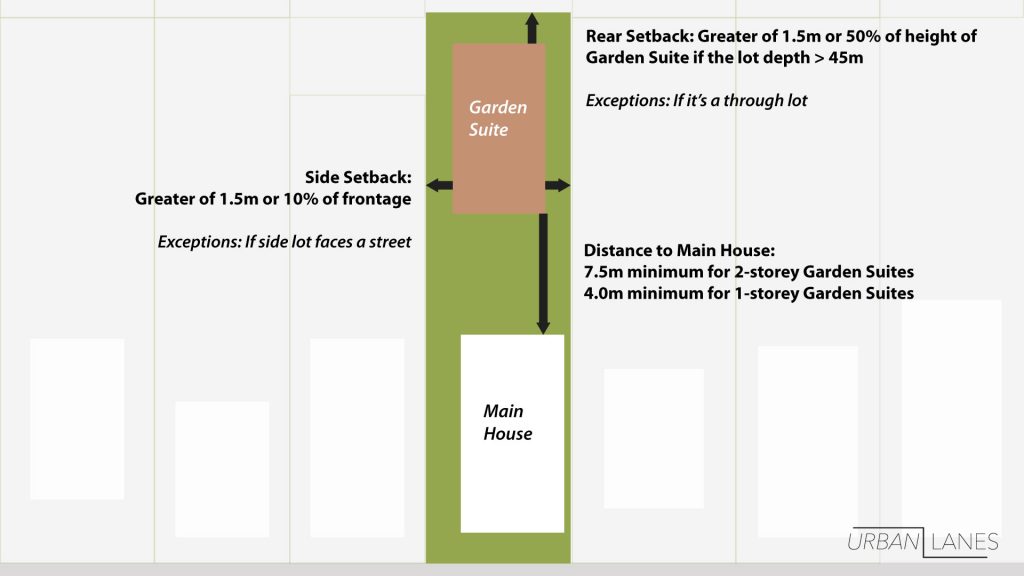
Side setbacks also differ between the two types. With a laneway suite, you can build from side lot line to side lot line, which gives you more usable floor area. Garden suites require setback space on each side, which shrinks your buildable footprint. If you are comparing the two options for your specific lot, the difference in total square footage matters when you are running numbers on rental income.
What a Real Toronto Laneway Suite Build Looks Like
The project in Trinity Bellwoods is a two-storey structure. The main floor is a workshop under 500 square feet. The second floor is a two-bedroom residential unit over 500 square feet. The build is targeting a higher-end finish, with a brick facade rather than aluminum siding, because the neighbourhood demands it and better finishes command better rents.
The main house on the same property has three units. The main floor and the upper unit are already tenanted. The basement unit is being left vacant during construction specifically to allow easy access for utility hookups and plumbing connections. It is a deliberate decision by the owner. Having a tenant in the basement during this phase would have complicated the trenching, the drainage work, and the utility connections significantly.
The plumbing work on this project required digging eight feet down to reach the base of the footing before pipes could be brought inside. The existing garage was torn down, the site was excavated, and drainage was installed and inspected before framing work began. A door with stairs will connect the laneway suite to the main property, and there is still enough space for a car to park without blocking laneway access. Construction cost per square foot on a build like this runs between $300 and $350. On 1,000 square feet, that puts you at $300,000 to $350,000 in construction costs.

Why Location Changes the Math on Laneway Suite Returns
Construction cost is roughly the same regardless of where you build in Toronto. A $350,000 build in a starter neighbourhood and a $350,000 build in a premium neighbourhood cost the same to put up. The difference shows up on the other side, in appraised value and in rent.
In starter neighbourhoods, there are fewer sold comparables for laneway suites. When appraisers have limited data, they tend to value the property conservatively, often at close to what you put in. You build $350,000 worth of structure and it gets appraised at roughly $350,000. In premium neighbourhoods, there are more completed and sold laneway suites to reference. Appraisers have real comps. Completed laneway suites in those areas are selling at $600,000 to $700,000 after a $350,000 build. That is the value-add lift that makes refinancing viable.
The rent difference is just as significant. A two-bedroom laneway suite in a premium Toronto neighbourhood can command over $3,000 per month. The same two-bedroom in a starter pocket might rent for $2,500. That $500 monthly difference adds up to $6,000 per year. On the same $350,000 in construction costs, your yield on cost is meaningfully better in the premium location. If you want to model out how these numbers stack up over time, Elevate’s total return calculator is a useful tool for running those projections.
Two Options Once Your Laneway Suite Is Rented
Once the laneway suite is complete and all units are tenanted, including the three in the main house and the suite at the back, you are sitting on a stabilised income property. From there, you have two main options depending on your goals.
The first is to hold and collect cash flow. With three or four units all generating rent, you have a meaningful income stream coming in each month. In a premium neighbourhood with strong rents, the numbers on this can look very good even before you account for any appreciation over time. This is the straightforward hold strategy.
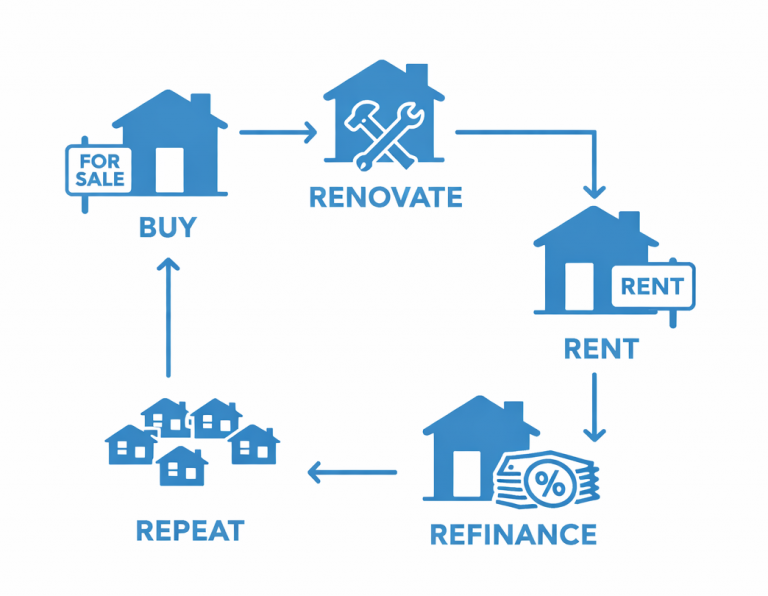
The second option is to take the stabilised property back to the bank for a reappraisal and refinancing. If your build landed the value-add lift that premium neighbourhoods tend to produce, the new appraised value should be significantly higher than what you put in. A successful refinance at that point can return your full initial capital and more, leaving you with a rented asset and cash in hand to put toward your next acquisition. This is how investors who build laneway suites in the right locations end up recycling the same capital across multiple deals. Understanding your cap rate before and after the build helps you evaluate both options clearly.
Ready to Find a Toronto Property with Laneway Suite Potential?
The difference between a laneway suite that recycles your capital and one that just breaks even often comes down to one decision: where you build. Premium neighbourhoods in Toronto produce stronger rents, better appraisals, and more credible sold comparables, all of which make the refinance-and-repeat strategy actually work. Identifying the right property to buy, before you spend a dollar on construction, is where experienced guidance matters most.
Elevate Realty helps investors find Toronto properties with strong laneway suite or garden suite potential. Once you have the right property, we coach you through the build process so you know what to expect, what to spend, and how to maximise your outcome.
Our brokerage specializes in Toronto multiplexes. We’ll help you find deals, crunch the numbers, and guide you through renovations and management. If you want full support in Toronto multiplex investing, our team can help you:
- Find high-potential properties
- Crunch the numbers so you know exactly where you stand
- Coach you through renovations to maximize returns
- Lock in great tenants
- Provide full property management so your investment runs smoothly
Book a strategy session with us here and let’s map out the smartest move for your portfolio.

What Toronto Real Estate Investment Is Right For You?
Check out our complete Toronto real estate investment guide for all the details and real-life examples. If you’re ready to dive in, just book a call with us!
This is for educational purposes only; it does not guarantee future performance or serve as financial or tax advice.
